


🍼 Vitamin K Injection for Newborn Babies – A Life-Saving Start | Vitamin K Injection K Fawaid aur Wajuhat
Har maa chahti hai ke uska baby bilkul healthy aur safe ho. Jab ek baby paida hota hai, doctor usay kuch special injections dete hain – unhi me se ek Vitamin K injection bhi hota hai. Bohat si maaon ko ye sawal hota hai ke “ye injection kyu lagaya jata hai?” Ya “kya ye zaroori hai?” Aaj hum isi topic par detail me baat karenge — simple English aur Urdu mix me, taki sabko easily samajh aaye.
---
💡 Vitamin K Kya Hoti Hai?
Vitamin K ek essential nutrient hai jo humare body me blood clotting ke liye zaroori hoti hai. Matlab agar kisi insan ko chot lag jaye aur khoon nikle, to Vitamin K help karti hai taake wo khoon jaldi ruk jaye.
Bina Vitamin K ke, body me clot banne ka process slow ho jata hai — aur chhoti chhoti injuries bhi dangerous ban sakti hain.
---
👶 Newborn Babies Me Vitamin K Kyu Kam Hoti Hai?
Yeh ek natural baat hai ke jab baby paida hota hai, uske body me Vitamin K levels bohat kam hote hain.
Kuch main reasons ye hain:
1. Placenta se transfer kam hota hai: Maa ke body se baby tak Vitamin K ka transfer during pregnancy bohat limited hota hai.
2. Breast milk me kam quantity hoti hai: Breastfeeding zaroor best hai, lekin usme Vitamin K ki quantity natural taur par bohat low hoti hai.
3. Baby ka liver immature hota hai: Newborn baby ka liver abhi puri tarah develop nahi hota, is liye wo Vitamin K ko effectively use nahi kar pata.
In sab reasons ki wajah se, newborn baby me Vitamin K deficiency ho sakti hai — jo dangerous bleeding ka sabab ban sakti hai.
---
⚠️ Vitamin K Deficiency Bleeding (VKDB) Kya Hai?
Agar baby ke body me Vitamin K na ho, to usay Vitamin K Deficiency Bleeding ya VKDB keh dete hain.
Yeh teen types ki hoti hai:
1. Early VKDB: Birth ke 24 ghantay ke andar ho sakti hai.
2. Classic VKDB: Birth ke 1 se 7 din ke andar hoti hai.
3. Late VKDB: Birth ke baad 2 weeks se 6 months ke andar bhi ho sakti hai.
Is condition me baby ke brain, stomach ya skin ke andar bleeding ho sakti hai, jo kabhi kabhi life-threatening bhi ho jati hai.
---
💉 Vitamin K Injection – Baby Ki Pehli Protection Shield
Isi risk ko avoid karne ke liye, doctors recommend karte hain ke newborn baby ko birth ke turant baad ek Vitamin K injection diya jaye.
Yeh injection usually thigh muscle me lagaya jata hai (leg ke upper part me).
Ek single dose hi kaafi hoti hai aur yeh VKDB se 99% protection deta hai.
Yeh injection baby ke liver me Vitamin K store karta hai, jo agle kuch mahino tak body me rehta hai aur natural bleeding se bachata hai.
---
🌿 Kya Vitamin K Oral Drops Se Replace Ho Sakta Hai?
Kuch parents injection se darte hain aur poochte hain ke kya oral Vitamin K drops se kaam chal jata hai?
Jawab hai — haan, lekin limited protection deta hai.
Injection ka effect zyada strong aur long-lasting hota hai. Oral drops ko multiple doses me dena padta hai (3-4 times in few weeks).
Agar baby vomit kare ya dose miss ho jaye, to protection kam ho jata hai.
Is liye injection form best and safest option mana jata hai.
---
❤️ Benefits of Vitamin K Injection
Prevents internal bleeding in newborns
Protects baby’s brain and liver from damage
Reduces risk of sudden unexplained bleeding
One-time dose gives long-term safety
No serious side effects
Doctors aur WHO (World Health Organization) dono recommend karte hain ke har newborn baby ko Vitamin K injection zaroor diya jaye.
---
🤔 Common Myths aur Unke Jawabat
Myth 1: “Vitamin K injection harmful hai.”
❌ Truth: Bilkul nahi. Yeh injection safe aur scientifically proven hai. Iska koi long-term side effect nahi hota.
Myth 2: “Natural birth wale baby ko zarurat nahi.”
❌ Truth: Delivery ka tareeqa (normal ya C-section) is par farq nahi dalta. Har baby ko Vitamin K ki same need hoti hai.
Myth 3: “Breast milk me sab kuch hota hai.”
❌ Truth: Breast milk best food hai, lekin Vitamin K usme naturally kam hoti hai.
---
🧠 Maa-Baap Ke Liye Tips
Delivery se pehle apne doctor se Vitamin K injection k
e bare me zaroor baat karein.
Hospital me baby ke birth ke turant baad ensure karein ke injection diya gaya ho.


Punjab Unveils Tax-Free Saudi Industrial Estate: A Turning Point for Gulf Investment
https://thehasaminexusmedia.de
In a major economic development, the Punjab government has officially announced the creation of a tax-free Saudi Industrial Estate, a landmark project designed to attract large-scale investment from Saudi Arabia and other Gulf countries. This initiative is not only expected to boost Pakistan’s industrial base but also redefine economic ties between Pakistan and the Middle East. The tax-free zone aims to make Punjab a central hub for industrial collaboration, technology transfer, and foreign investment — a move that could shape the region’s financial and industrial future.
---
Strengthening Pakistan–Saudi Ties Through Industry
Pakistan and Saudi Arabia share a historic relationship rooted in mutual respect, faith, and cooperation. However, in recent years, both nations have shown a growing interest in expanding their partnership beyond traditional trade and labor sectors. The unveiling of the Saudi Industrial Estate is a major step in that direction, marking a shift from political and cultural ties toward deeper economic integration.
The Punjab government has offered complete tax exemptions, flexible business laws, and full infrastructure support to Saudi investors. These incentives include zero customs duty on imported machinery, simplified business registration, quick land allotment, and uninterrupted power and water supply. Such facilities are designed to provide Saudi businesses with an easy entry into Pakistan’s market and help them expand production capacity for both domestic and export purposes.
---
A Strategic Location for Global Connectivity
The Saudi Industrial Estate is planned to be built in southern Punjab, an area strategically located close to major transport and trade routes that connect Pakistan with the China-Pakistan Economic Corridor (CPEC). This gives Saudi investors direct access to regional and international markets through Gwadar Port, making the estate a gateway to Asia, the Middle East, and Africa.
Officials say the estate’s location was carefully chosen to ensure logistical convenience for import and export operations. By integrating with CPEC and other regional projects, the industrial estate will not only promote trade but also help establish Pakistan as a vital link between the Gulf and Central Asian economies.
Punjab Chief Minister, while inaugurating the project, said, “The Saudi Industrial Estate will serve as a model of modern industrialization in Pakistan. Our mission is to build a prosperous, investor-friendly Punjab that welcomes our Saudi brothers with open arms and offers them unmatched business potential.”
---https://thehasaminexusmedia.de
Driving Industrial Growth and Employment
The new industrial zone is expected to become a key driver of Punjab’s economic transformation. Analysts project that the estate will attract billions of dollars in foreign direct investment (FDI) over the next few years. With Saudi investors planning to set up industries in sectors like petrochemicals, construction materials, textiles, food processing, renewable energy, and technology, the estate will create a diverse and robust industrial ecosystem.
The government expects the project to create around 200,000 direct and indirect jobs during its first phase, providing opportunities for skilled and semi-skilled workers across Punjab. In addition, the presence of large Saudi corporations will generate business for local suppliers, transport companies, and service providers — offering a broad economic ripple effect throughout the province.
To support this vision, Punjab’s vocational training institutes are preparing programs to upskill local youth, ensuring they are ready to participate in the upcoming industrial boom.
---
Saudi Arabia’s Expanding Economic Vision
The project aligns closely with Saudi Arabia’s Vision 2030, an ambitious national strategy led by Crown Prince Mohammed bin Salman to diversify the kingdom’s economy beyond oil. As part of that vision, Saudi investors are actively exploring opportunities in countries like Pakistan, where growth potential and workforce availability remain high.
Sources suggest that major Saudi corporations, including Aramco, SABIC, and other private investors, have shown keen interest in setting up facilities within the new estate. The Saudi Fund for Development (SFD) is also reportedly in talks with Pakistani officials to co-finance supporting infrastructure such as energy plants, road networks, and water systems.
This growing Saudi investment reflects a lon
g-term strategy — not just to establish new
https://thehasaminexusmedia.de


María Corina Machado: Venezuela’s Iron Lady Wins the Nobel Peace Prize
https://thehasaminexusmedia.de
In a historic moment for Venezuela and Latin America, opposition leader María Corina Machado has been awarded the 2025 Nobel Peace Prize for her unyielding struggle to restore democracy and defend human rights in her crisis-ridden nation. The Nobel Committee praised her for being “a symbol of peaceful resistance in the face of oppression” — words that capture the courage of a woman who refused to bow down despite years of threats, bans, and political persecution.
This marks the first time in history that a Venezuelan has received the Nobel Peace Prize, a recognition that has sent waves of pride, debate, and hope through her country — and beyond.
---
A Lifelong Fighter for Freedom
At 58, María Corina Machado has spent more than two decades challenging authoritarian rule in Venezuela. A trained industrial engineer and a former member of the National Assembly, she rose to prominence as a fearless critic of the late Hugo Chávez and his successor, President Nicolás Maduro.
Her vision has always been clear: a free, democratic, and prosperous Venezuela. Yet, the path has been anything but easy. Over the years, Machado has faced arrests, political disqualification, threats to her life, and relentless smear campaigns. Still, she has stood firm — earning the nickname “La Dama de Hierro” or “The Iron Lady” of Venezuela.
In 2024, her name became known around the world when she was barred from running in Venezuela’s presidential election, despite being the most popular opposition candidate in decades. Courts loyal to the Maduro regime disqualified her on alleged administrative grounds, effectively silencing the strongest challenger to the government. But even then, she refused to surrender, declaring that “no ban can erase the will of the people.”
---
Why the Nobel Committee Chose Her
According to the Norwegian Nobel Committee, Machado was chosen for her “unyielding, peaceful struggle to defend democracy, rule of law, and civil rights in Venezuela.” The committee described her as “a beacon of democratic courage in a time of deep political darkness.”
In their statement, the committee emphasized that Machado’s determination had inspired millions of Venezuelans, both at home and abroad, to continue believing in change through peaceful means. Her voice, they noted, has represented not just an opposition politician — but the conscience of an entire nation.
This year’s decision also carries symbolic weight. At a time when global democracy faces growing challenges, the award celebrates an individual who embodies nonviolent resistance and moral clarity.
---
An Emotional Reaction from Machado
When told she had won, Machado was visibly moved. In a brief phone call with the Nobel Committee, she said with tears in her voice:
> “Oh my God… I have no words. This honor belongs to all Venezuelans who have never stopped fighting for their dignity.”
Later, in a public statement from an undisclosed location — due to security concerns — she dedicated the award to the Venezuelan people and to “those who gave their lives for freedom.” She also mentioned that she shared the recognition with international allies who stood by her cause, including former U.S. President Donald Trump, whom she thanked for his “decisive support” for democracy in Venezuela.
Her mention of Trump drew mixed reactions globally — admiration from some quarters for her honesty, and criticism from others who questioned the political overtones of her remarks. Still, it underscored the complexity and conviction that define her personality.
---
A Life Under Threat
Machado’s journey has been defined by resilience. Since 2014, she has faced multiple threats from Venezuela’s ruling elite. Her political offices have been raided, her colleagues jailed, and her family harassed. Many of her allies have fled the country to
https://thehasaminexusmedia.de avoid imprisonment or worse.
Yet, she chose to
NASA Considers Blowing Up Hazardous Asteroid 2024 YR4 to Protect Earth
NASA has put forward a bold proposal to deal with a newly identified space rock, Asteroid 2024 YR4, which scientists warn could pose a serious threat to Earth in the future. The asteroid, discovered during advanced sky surveys, has been labeled “potentially hazardous” because of its large size and trajectory that passes near our planet.
What We Know About 2024 YR4
Astronomers first detected 2024 YR4 late last year. Early studies suggest that while the chances of a direct collision with Earth remain relatively small, the asteroid’s path is close enough to raise alarm. With a width stretching several hundred meters, it has the destructive power to wipe out entire regions if it ever makes impact.
Why NASA Wants to Act
Even medium-sized space rocks can cause massive destruction. The Tunguska incident in 1908, when a smaller asteroid exploded over Siberia, destroyed thousands of square kilometers of forest. By comparison, 2024 YR4 is far more dangerous, capable of producing an explosion equal to multiple nuclear warheads. This has pushed NASA to consider preemptive action before the asteroid drifts closer to Earth’s orbit.
The Proposed Mission
Unlike past asteroid missions, which aimed to deflect space rocks from their path, NASA is now exploring the possibility of completely blowing up 2024 YR4. The plan would involve sending a high-powered spacecraft equipped with explosives to shatter the asteroid into smaller, harmless fragments. Critics argue this strategy could create multiple smaller threats, but NASA’s experts believe that precise targeting would ensure most pieces safely burn up in the atmosphere.
International Cooperation
Planetary defense is not just an American responsibility. NASA is already engaging with global space agencies, including ESA and JAXA, to coordinate possible joint missions. Experts stress that since an asteroid strike would affect the entire world, it requires a unified international response.
Global Reactions
The announcement has stirred both concern and curiosity worldwide. While many worry about the catastrophic potential of such an asteroid, others view NASA’s proactive approach as a major step in space defense innovation. For scientists, the mission is more than just a safety measure—it’s a chance to push the boundaries of technology and prepare humanity for future cosmic threats.
The Road Ahead
Although asteroid 2024 YR4 is not an immediate danger, NASA’s proposal marks a turning point in how humanity prepares for outer space challenges. By addressing the threat early, the agency hopes to not only protect Earth but also set a foundation for future planetary defense strategies.
In short, 2024 YR4 has become a wake-up call for the world, reminding us that while space exploration inspires wonder, it also demands readiness against the unknown dangers that drift through the cosmos.


Erdogan Calls Trump’s Gaza Talks with Arab and Muslim Leaders “Productive”
Turkish President Recep Tayyip Erdogan has described former U.S. President Donald Trump’s recent talks with Arab and Muslim leaders about the Gaza conflict as “productive and meaningful.” Erdogan stressed that the meeting was not just a diplomatic formality but a serious effort aimed at easing tensions and addressing the worsening humanitarian situation in the region.
A Gathering That Drew Global Attention
The meeting brought together leading Arab and Muslim figures who discussed ways to reduce the ongoing crisis in Gaza. Erdogan praised the initiative, saying that it opened the door for deeper cooperation and constructive dialogue between nations that often have different stances on the conflict.
According to him, the gathering reflected a shared commitment to finding solutions that go beyond politics and prioritize human lives. “The discussions were genuine and showed a common will to tackle the suffering of innocent civilians in Gaza,” Erdogan said.
Trump’s Involvement in Middle East Diplomacy
Even though Donald Trump is no longer in office, his role in the talks captured global attention. Erdogan acknowledged Trump’s influence in bringing leaders together, describing it as a positive step toward exploring fresh approaches to the Middle East conflict.
Political analysts believe Trump’s participation could serve as a bridge between Washington and regional powers, potentially encouraging stronger communication channels. Erdogan stressed that such efforts are urgently needed while the humanitarian crisis in Gaza continues to worsen.
Humanitarian Relief in Focus
One of the central points raised during the meeting was the immediate need for humanitarian aid. Leaders explored ways to create safe channels for food, medicine, and medical assistance to reach Gaza’s civilians.
Erdogan emphasized that protecting innocent people must come before political agendas. He warned that if aid deliveries are delayed further, the crisis may spread and trigger instability across neighboring countries.
Unity Among Muslim and Arab States
Erdogan also highlighted the importance of a unified stance among Muslim and Arab nations. He praised the gathering for showing that, despite political differences, there is a common desire to help end the suffering in Gaza.
The Turkish president noted that regional diplomacy is just as crucial as international pressure, and he pledged Turkey’s continued role as a mediator to keep communication lines open and encourage practical steps toward peace.
Looking Ahead
While the Gaza conflict remains far from resolved, Erdogan’s optimistic view of the talks signals that new diplomatic momentum might be building. For millions affected by the crisis, such discussions offer a glimpse of hope that concrete actions may follow.
“The meeting was productive,” Erdogan concluded, “but what matters most is turning words into action for the people of Gaza.”
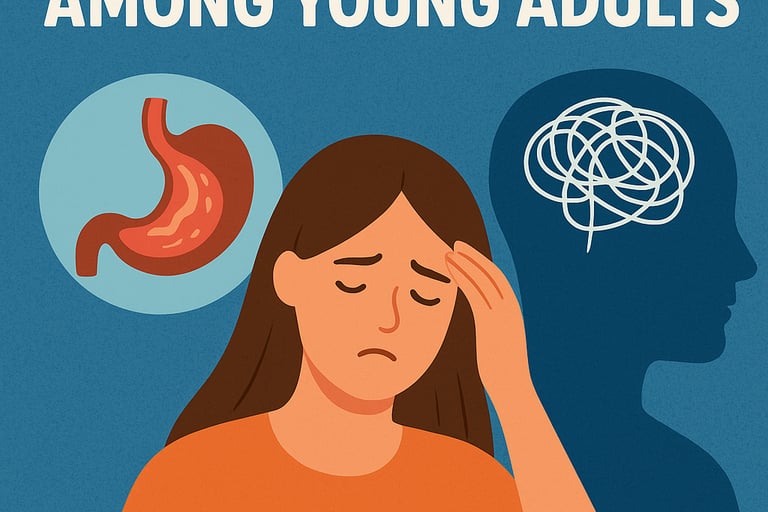
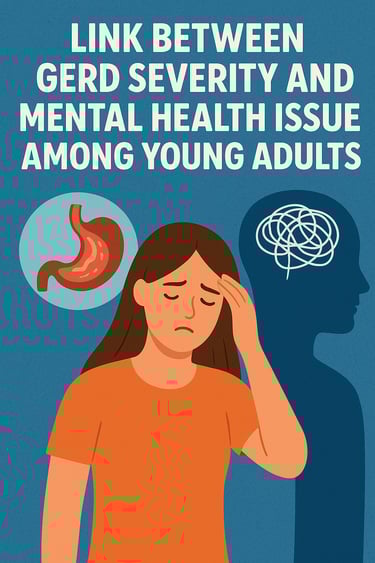
Link Between GERD Severity and Mental Health Issues Among Young Adults
Gastroesophageal reflux disease (GERD) is commonly recognized as a digestive problem that leads to acid reflux and persistent heartburn. However, new research shows that its effects may go far beyond the digestive system. Increasing evidence suggests a strong relationship between the severity of GERD and the rising rates of depression and anxiety among young adults. This growing concern highlights the need to look at GERD not only as a physical illness but also as a condition that can seriously impact mental health.
GERD on the Rise in Young Adults
GERD develops when stomach acid frequently flows back into the esophagus, causing burning pain, discomfort, and sometimes chronic throat irritation. While it was once seen mostly in older people, lifestyle habits have made it more common among younger generations. Late-night eating, junk food, long study schedules, smoking, and high caffeine intake all contribute to the increasing number of GERD cases in people under 35.
How Digestive Problems Impact the Mind
Living with GERD can be frustrating and exhausting. The constant reflux, pain, and disrupted sleep affect productivity, energy levels, and even social life. Over time, these physical struggles take a toll on emotional well-being. Many young adults with severe GERD report feeling stressed, irritated, and mentally drained.
The relationship between GERD and mental health is often a cycle. GERD symptoms cause worry and sleepless nights, leading to anxiety and depression. On the other hand, stress and anxiety increase acid production in the stomach, which makes reflux even worse. This ongoing loop can quickly harm both physical and mental stability.
Depression and Anxiety in GERD Patients
Recent studies reveal that young adults who suffer from moderate to severe GERD are more likely to experience signs of depression and anxiety compared to those with mild symptoms. Feelings of sadness, hopelessness, restlessness, and social withdrawal are frequently reported. In some cases, embarrassment about GERD symptoms in public situations can make social anxiety more intense.
This strong link between GERD and mental health has encouraged doctors to consider combined treatment methods. Relying only on acid-reducing medicines or surgery may not be enough. Instead, a complete approach that includes stress management, therapy, and lifestyle adjustments shows better long-term results.
Steps Toward Better Health
The growing rate of GERD among young adults shows how modern habits affect overall well-being. Doctors now recommend that patients with GERD should also be screened for mental health issues to ensure a more effective treatment plan.
Simple lifestyle changes can make a big difference. Eating balanced meals, avoiding spicy or fried foods, cutting down on late-night snacks, and regular exercise all help reduce reflux. At the same time, practices like meditation, counseling, or stress-relief activities can improve both digestion and mental health.
Final Thoughts
The connection between GERD severity and rising cases of depression and anxiety among young adults proves that the body and mind are deeply connected. Treating GERD only as a digestive disorder is no longer enough. By addressing both the physical and psychological aspects of the disease, young adults can enjoy healthier, happier, and more balanced lives.

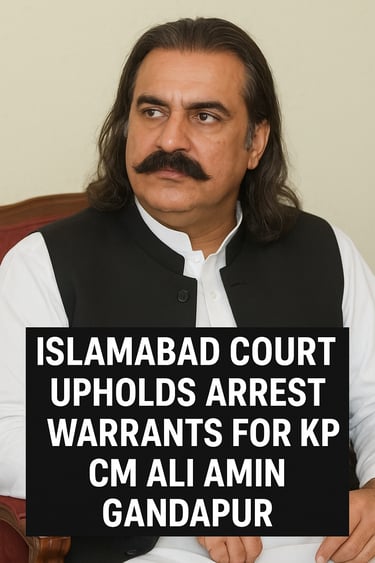
Islamabad Court Upholds Arrest Warrants for KP Chief Minister Ali Amin Gandapur
Islamabad: A key legal decision emerged on Monday as the Islamabad court upheld arrest warrants issued against Khyber Pakhtunkhwa Chief Minister Ali Amin Gandapur. The verdict has intensified political debates nationwide, raising questions about governance, accountability, and political maneuvering.
The warrants were earlier challenged by Gandapur’s legal representatives, who argued that the cases were politically motivated and lacked sufficient grounds. However, the court, after carefully reviewing the petitions and available records, decided to sustain the arrest orders. This ruling now places the KP Chief Minister in a complicated position, balancing his provincial leadership responsibilities with ongoing legal challenges.
Political Turmoil and Reactions
The announcement immediately drew sharp responses across the political spectrum. Leaders of Gandapur’s party strongly condemned the decision, alleging that the ruling was part of a wider campaign to target their leadership. According to them, the cases are being used to pressure the provincial government and weaken its stance against the federal administration.
In contrast, opposition parties welcomed the court’s move, stating that no individual, regardless of political office, should be above the law. They emphasized that the judiciary’s decision reflects a broader need for accountability, especially when it concerns individuals in positions of power.
Legal Context and Next Steps
The cases against Gandapur stem from earlier allegations tied to political unrest and administrative irregularities. While his legal team has consistently denied wrongdoing, the persistence of the cases has kept the Chief Minister under the spotlight.
Legal experts note that upholding the warrants does not automatically translate into an immediate arrest. Instead, it signals the judiciary’s determination to ensure due process is followed. Gandapur still has the option to seek relief from higher courts, which could temporarily delay the enforcement of the warrants.
Possible Impact on KP Governance
This development also carries weighty political implications for Khyber Pakhtunkhwa. Analysts believe Gandapur’s legal battles could distract from governance and key policy decisions at a time when the province faces pressing challenges, including security concerns, economic strains, and developmental needs.
Observers warn that a possible arrest, or even the uncertainty surrounding it, could create instability within the provincial administration. It might also deepen the rift between the federal government and KP, as both sides continue to clash over political narratives and governance strategies.
A Divided Political Landscape
The decision has once again highlighted Pakistan’s polarized political environment. For Gandapur’s supporters, this is a test of resilience against what they see as unfair targeting. For his critics, it is a necessary step toward ensuring that public representatives are held accountable for their actions.
As the legal process continues, all eyes are now on whether Gandapur seeks relief from higher courts or prepares to face the consequences of the Islamabad court’s ruling. Either way, the case is set to influence both provincial politics in Khyber Pakhtunkhwa and the national political
climate in the weeks ahead.


European Recognition of Palestinian State Underscores America’s Dominant Role
The recent decision by several European nations to formally recognize a Palestinian state has sparked global debate, hailed as a historic step in support of Palestinian rights. Yet, beyond the symbolism, the move also highlights a long-standing reality: in the Israeli-Palestinian conflict, only the United States has the influence to bring about real change.
Countries such as Spain, Ireland, and Norway have taken the lead in acknowledging Palestine as a state, framing their decision as a stand for justice, peace, and the preservation of the two-state solution. Leaders argue that recognizing Palestinian sovereignty is crucial at a time when violence in Gaza and the West Bank continues to escalate, leaving hopes for peace increasingly fragile.
While these announcements have been celebrated in Ramallah, many analysts argue that Europe’s recognition carries more diplomatic symbolism than practical impact. For decades, Europe has expressed solidarity with Palestinian aspirations, but its political weight in the Middle East remains limited compared to Washington’s role.
The United States has long been Israel’s closest partner, providing military, financial, and political support that no other power can match. Washington’s position in the United Nations and its deep ties with Tel Aviv give it a decisive voice in shaping the direction of the conflict. When America speaks, policies shift; when Europe speaks, Israel often shrugs off the criticism.
This imbalance was again visible in Israel’s response. Officials in Tel Aviv dismissed the European moves as “meaningless” and insisted such steps would not alter their policies. Without U.S. involvement, Israel sees little reason to adjust its stance, demonstrating that Europe’s recognition lacks the enforcement power to change realities on the ground.
Palestinian leaders, however, welcomed the decisions, describing them as an important step in their long campaign for international legitimacy. They argue that each recognition strengthens their case in global institutions and challenges Israel’s efforts to block their statehood. Yet, even they acknowledge that without Washington’s pressure, their dream of sovereignty will remain distant.
For the U.S., Europe’s move sends a clear message: allies are increasingly frustrated with America’s unwavering support for Israel. Some experts warn that if Washington continues to sideline international calls for balance, it risks losing credibility as a fair mediator. Still, no peace deal is possible without U.S. involvement, making it the central player in any future negotiations.
In essence, Europe’s recognition of Palestine represents a moral and political gesture that draws headlines but changes little on the ground. The power dynamics remain the same—the United States holds the ultimate influence over Israel and the peace process. Until Washington chooses to apply that leverage, the two-state solution will remain an unfulfilled promise.
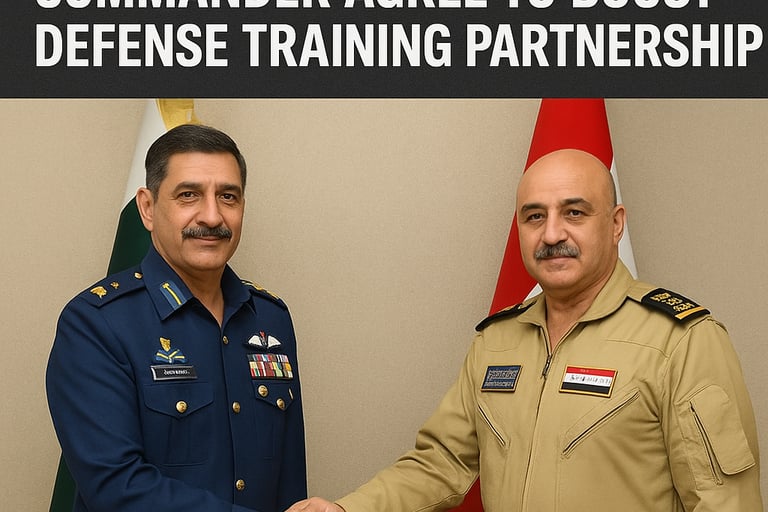

PAF Chief, Iraqi Air Force Commander Agree to Boost Defense Training Partnership
Islamabad – The Chief of Pakistan Air Force (PAF) and the Commander of the Iraqi Air Force have pledged to expand defense cooperation with a strong focus on advanced training and professional development. The high-level meeting reflects both nations’ determination to strengthen military-to-military ties and build lasting strategic trust.
During the talks, both sides discussed a wide range of issues related to defense, security, and regional stability. The central point of the dialogue was training collaboration, where Iraq showed keen interest in utilizing Pakistan’s well-established air force academies and technical institutions.
Expanding Training Opportunities
Pakistan has long been recognized for its high-standard pilot training and professional courses for international officers. The PAF Chief assured his counterpart that Pakistan is ready to extend full support in helping Iraq develop its air force capacity. This includes advanced pilot training, simulator-based instruction, technical education, and joint exercises aimed at improving operational readiness.
The Iraqi Air Force leadership praised the professionalism and achievements of the Pakistan Air Force, expressing confidence that greater cooperation would not only strengthen their own capabilities but also contribute to regional security.
Strengthening Defense Ties
Pakistan and Iraq share a history of friendly relations, but recent engagements highlight a renewed emphasis on defense and security cooperation. Previous understandings have already covered joint drills, defense production, and intelligence sharing. This fresh commitment to training and knowledge-sharing is seen as a step toward more structured and long-term collaboration.
The PAF Chief underlined that Pakistan values its relations with Iraq and is committed to building a partnership that benefits both countries. He emphasized that closer military cooperation can help both air forces meet modern challenges with greater efficiency.
Addressing Regional Challenges
The two commanders also exchanged views on pressing regional security concerns, including counterterrorism, insurgency, and emerging threats. They agreed that strong cooperation between friendly countries is essential to maintain peace and stability in the wider Middle East and South Asia.
Analysts believe this enhanced defense partnership will not only boost bilateral relations but also strengthen Pakistan’s role as a trusted training hub for friendly nations. The move also signals Iraq’s intent to modernize its air force by learning from countries with proven expertise in defense development.
Looking Ahead
This renewed pledge marks a new milestone in Pakistan-Iraq defense ties. By prioritizing professional training, technical expertise, and joint exercises, both nations are laying the groundwork for a deeper, more sustainable partnership.
The development is being hailed as a win-win for both sides: Iraq gains valuable knowledge and training support, while Pakistan strengthens its reputation as a reliable de
fense partner in the region.
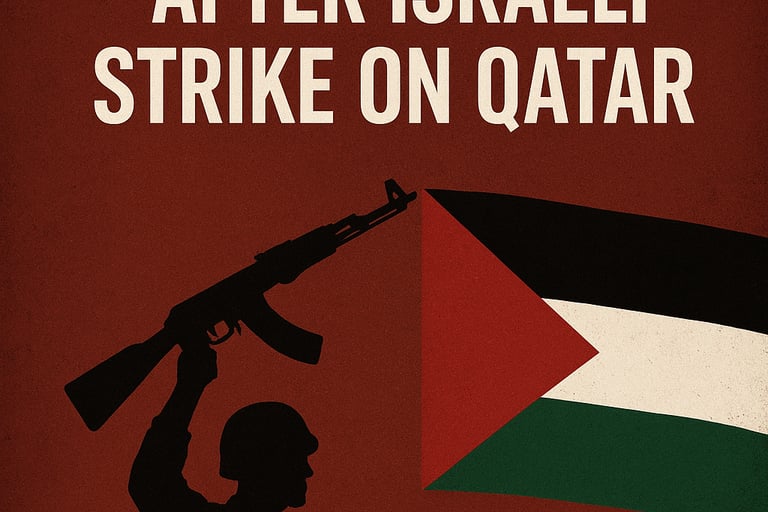

Hamas Vows to Continue Fight After Israeli Strike on Qatar
The Middle East is once again on edge as Hamas has pledged to continue its resistance following an Israeli strike that targeted Qatar. The statement has drawn international attention, raising fears of a wider regional crisis.
Hamas Strengthens Its Stance
Hamas leaders declared that no attack will weaken their resolve. Instead, the strike has only intensified their commitment to fight against what they call ongoing aggression and injustice. The group stressed that the assault on Qatar is not just an attack on one country, but a violation of regional security and stability.
In their statement, Hamas highlighted that the incident has united them further and that they will continue their struggle regardless of pressure or threats.
Qatar’s Position in the Conflict
Qatar has long played a crucial role in providing aid and reconstruction support for Gaza. Over the years, Doha has been at the forefront of humanitarian assistance, helping rebuild homes, schools, and hospitals devastated by war.
This latest strike has raised serious concerns in Qatar, with officials condemning the attack and reaffirming their support for Palestinians. Analysts believe this could push Qatar to increase its diplomatic efforts and lobby more aggressively at international platforms.
Global Reactions and Concerns
The international community has expressed alarm over the development. Human rights groups and global observers fear that targeting Qatar could further destabilize the region and drag other Gulf states into the conflict.
Western governments are in a tight spot. While some back Israel’s security narrative, many are questioning the impact of expanding military actions to countries like Qatar. Political experts warn that such escalations could have far-reaching consequences, not only for the Middle East but also for global peace and economic stability.
Humanitarian Consequences
Beyond politics, the humanitarian cost continues to rise. Palestinian families already struggling under blockade and shortages face even harsher conditions. Aid groups are concerned that if Qatar’s relief efforts are disrupted, thousands of people in Gaza will lose access to food, medicine, and shelter.
Since Qatar has been a vital lifeline for humanitarian aid, any disruption could worsen the crisis and leave many vulnerable communities in despair.
Looking Ahead
With Hamas promising to fight on and Qatar voicing strong opposition, the conflict shows no signs of cooling down. The risk of regional escalation is high, and international calls for restraint are growing louder.
The situation remains fluid, but one reality is clear: without meaningful negotiations and a commitment to peace, the Middle East is likely to witnes
s more unrest in the days ahead.
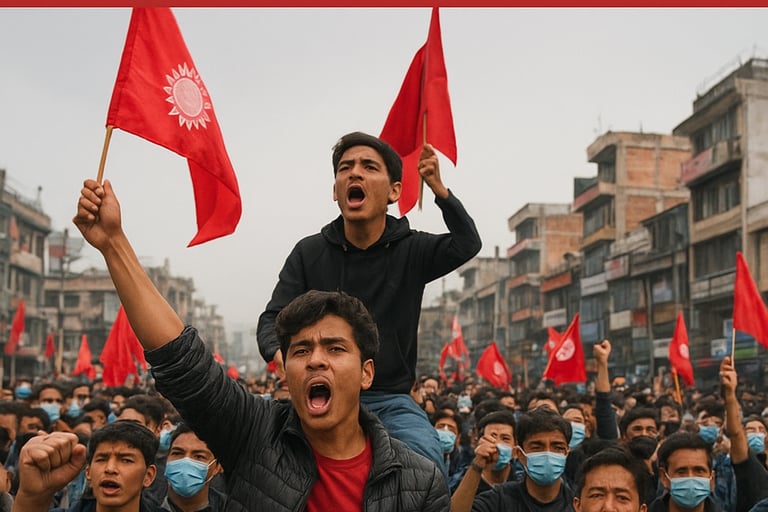
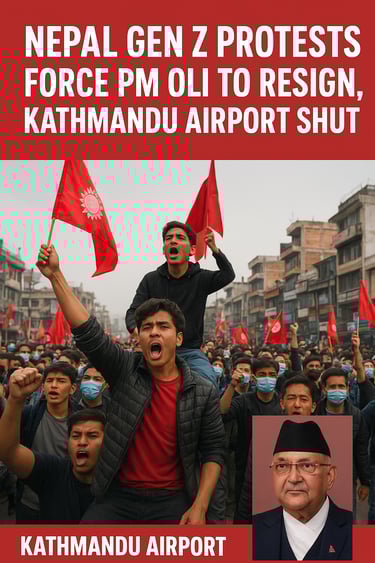
Nepal Gen Z Protest Forces PM Oli to Resign, Kathmandu Airport Closed Amid Chaos
Kathmandu, the capital of Nepal, has become the stage of an extraordinary political storm as Generation Z protesters rose in massive numbers against the government. Their continuous demonstrations shook the foundations of the country’s leadership, ultimately leading to the resignation of Prime Minister KP Sharma Oli. The unrest also triggered the temporary closure of Tribhuvan International Airport, creating both political and travel disruption.
Youth Anger Turns Into National Movement
For weeks, young people across Nepal have voiced anger over growing unemployment, inflation, corruption, and lack of accountability. What began as small campus gatherings of students soon spread across major cities, gaining momentum through social media campaigns. Platforms like TikTok, Instagram, and Twitter became rallying points, where hashtags demanding change trended widely.
The message from Nepal’s Gen Z was clear: the old political style no longer works. They demanded honesty, reforms, and new leadership capable of addressing their future. This unprecedented energy of the youth signaled the rise of a new political force in the country.
PM Oli Steps Down Under Pressure
As protests intensified in Kathmandu, pressure mounted on Prime Minister KP Sharma Oli. Crowds surrounded government buildings, chanting slogans for change and carrying banners that read “Future Belongs to Us.” The growing unrest left Oli with little room to maneuver, and he eventually announced his resignation.
His departure is being seen as a major milestone in Nepal’s democratic journey. Analysts say Oli’s exit reflects how strong public pressure, especially from the younger generation, can reshape political power. While many celebrated the move, uncertainty still surrounds the selection of his successor and the political stability of the nation.
Airport Shutdown Adds to the Crisis
Amid the chaos, authorities took the drastic step of shutting down Kathmandu’s Tribhuvan International Airport. Flights were suspended, and several planes were diverted to nearby destinations. Officials stated that the closure was necessary to avoid potential clashes and ensure security near the capital’s high-risk areas.
The sudden halt in air operations created frustration among travelers, both domestic and international. It also highlighted how deeply the protests have disrupted daily life in Nepal, affecting not only politics but also tourism and business.
Global Eyes on Nepal
The international community has taken notice of Nepal’s crisis. Human rights organizations urged authorities to handle protests peacefully, while neighboring countries called for dialogue and stability. Global media outlets have also highlighted the unique role of Gen Z in this movement, praising their courage and organization.
A Defining Moment for Nepal’s Future
This youth-led protest has gone beyond the resignation of one leader. It represents a demand for change, accountability, and a fresh start for Nepal’s democracy. The movement proves that the young generation is no longer willing to remain silent when their future is at stake.
As Nepal steps into this new chapter, the world is watching closely. Will the energy of Gen Z translate into long-lasting reforms, or will political divisions deepen? Whatever comes next, one fact is undeniable: Nepal’s youth have spoken, and their voice has the power to shape the country’s destiny.


Millions of Britons at Risk of Heart Failure – A Growing Health Emergency
Health experts are warning that millions of people in the United Kingdom are now at serious risk of heart failure, turning it into one of the nation’s most pressing health challenges. With rising cases of high blood pressure, obesity, diabetes, and untreated heart conditions, the situation has become a silent emergency that could overwhelm hospitals if immediate action is not taken.
Understanding Heart Failure
Heart failure does not mean the heart has completely stopped working. Instead, it refers to a condition where the heart becomes too weak or too stiff to pump blood effectively throughout the body. This leads to a build-up of fluid and reduced oxygen supply to vital organs. The illness often develops gradually, with early signs such as tiredness, difficulty in breathing, or swelling in the feet and ankles. Because these symptoms are easy to dismiss, many patients are diagnosed only when the condition has already become severe.
Why Are So Many Britons at Risk?
Doctors and researchers point to lifestyle changes as a major driver of the crisis. Modern diets high in processed food, low physical activity, smoking, and stress are putting immense strain on people’s hearts. The UK’s ageing population is also a factor, as people are now living longer but with chronic illnesses that increase the chances of heart failure.
A combination of these factors means that more people than ever before are being treated for heart-related conditions. NHS statistics show that thousands of hospital admissions each year are linked to advanced stages of heart failure, and the numbers are expected to climb if prevention strategies are not strengthened.
Strain on the NHS
The rise in cases is not just a personal health concern—it’s a system-wide issue. Heart failure patients often need repeated hospital visits, expensive medications, and long-term monitoring. This places a significant financial and operational burden on the NHS, which is already struggling with staff shortages and rising patient numbers. Experts warn that without a national focus on prevention and early detection, the system could face a crisis in managing these cases.
How to Lower the Risk
Specialists emphasize that heart failure is often preventable. Regular check-ups, especially for people with a history of high blood pressure or diabetes, can help detect problems early. Simple lifestyle adjustments like eating a balanced diet, maintaining a healthy weight, exercising regularly, and avoiding smoking or excessive alcohol can greatly reduce the risk. Importantly, recognizing symptoms early and seeking medical advice could prevent many cases from worsening.
A National Wake-Up Call
The warning from health experts is clear: Britain cannot afford to ignore the growing threat of heart failure. With millions already at risk, this issue requires urgent attention not only from individuals but also from policymakers and healthcare leaders. Public awareness campaigns, stronger preventive care, and lifestyle education are essential to protect future generations.
If action is taken today, countless lives can be saved, and the pressure on the NHS can be eased. But if the warnings go unheeded, the country may soon face a wave of heart-related emergencies that
could have been prevented.


Abdul Razaq Opens Up About Meeting Bollywood Actress Tamannaah Bhatia
Former Pakistani cricketer Abdul Razaq has once again caught headlines, this time not for his cricketing views but for his remarks about Bollywood’s popular star Tamannaah Bhatia. His statement about meeting the actress has become a talking point across media and among fans, sparking curiosity and discussions on both sides of the border.
Abdul Razaq, known for his candid personality, shared his thoughts on the encounter in a recent interaction. He described Tamannaah Bhatia as a talented, humble, and graceful individual whose charm leaves a lasting impression. According to him, the meeting was not only pleasant but also memorable, as he appreciated her down-to-earth attitude despite her stardom. His words highlighted a mutual respect that instantly caught the attention of fans.
Tamannaah Bhatia is one of the most successful actresses in the Indian film industry, with a strong presence in Bollywood as well as Tamil and Telugu cinema. She is widely admired for her versatility, professionalism, and powerful screen presence. Abdul Razaq’s positive comments have further strengthened the admiration she already enjoys among millions of followers.
The news of their meeting quickly spread across social media, with fans sharing reactions, memes, and even speculating about future collaborations. While some fans saw it as just a warm and respectful encounter, others began discussing whether such cross-industry interactions could lead to projects involving sports and entertainment together. Even though no official word on any collaboration has surfaced, the buzz has kept the story alive.
Clips and images of the meeting circulated widely, adding fuel to the excitement. Many praised Abdul Razaq’s genuine appreciation, while others highlighted Tamannaah’s ever-charming personality. The story soon became a trending topic, bringing together cricket fans and Bollywood lovers in one conversation.
This isn’t the first time that sports and cinema have crossed paths in South Asia. For decades, cricket stars and Bollywood celebrities have shared a bond that excites fans whenever they interact. Such encounters not only highlight mutual admiration but also reflect how deeply cricket and cinema are rooted in the region’s culture. Abdul Razaq’s latest remarks are another reminder of that connection.
Interestingly, Abdul Razaq’s comments also show his softer side, away from the cricket field. Known for his competitive nature as an all-rounder, his appreciation for Tamannaah Bhatia shows a different aspect of his personality—one that respects art, culture, and talent beyond sports.
For now, the meeting remains a refreshing story that has added positivity to the news cycle. Whether it leads to any further collaboration or remains a memorable interaction, Abdul Razaq’s kind words have already made waves among fans. The combination of cricket and Bollywood never fails to capture attention, and this episode has once again proven how the worlds of sports and cinema often meet in the most unexpected yet exciting ways.
Widespread Failures in PCOS Treatment Leave UK Women Struggling
A new report has raised serious concerns over the treatment of women suffering from Polycystic Ovarian Syndrome (PCOS) in the United Kingdom, revealing widespread gaps in diagnosis, support, and medical care. Millions of women across the country live with this hormonal condition, yet many feel abandoned by a healthcare system that struggles to meet their needs.
Delayed Diagnosis and Lack of Awareness
One of the most pressing issues highlighted in the report is the long delays in diagnosis. Many women report waiting years before receiving a confirmed medical opinion, often after repeated visits to different doctors. Because PCOS symptoms can vary—from irregular periods and acne to excessive hair growth and weight gain—patients are often misdiagnosed or told their symptoms are “normal.” This lack of awareness not only worsens the physical challenges but also leaves women mentally and emotionally drained.
Limited Treatment Options
Even after diagnosis, women face limited access to effective treatments. In many cases, they are prescribed generic medication or advised only to make lifestyle changes, with little follow-up care. For women struggling with fertility problems linked to PCOS, this approach can feel dismissive and inadequate. The report emphasizes that healthcare professionals need more training and resources to provide personalized treatment plans rather than relying on a one-size-fits-all strategy.
Emotional and Mental Health Impact
The findings also underline the emotional toll of living with PCOS. Women often face anxiety, depression, and low self-esteem, not only because of the symptoms but also due to feeling unheard by medical professionals. Many report being left to research their own condition online, relying on forums or social media groups for advice instead of receiving structured support from healthcare providers. This isolation adds to the stigma surrounding women’s health issues.
Calls for Urgent Reform
Health experts are now urging the government and the National Health Service (NHS) to take immediate action. They recommend better training for doctors, improved awareness campaigns, and more investment in women’s health research. Early diagnosis is key, as timely treatment can reduce long-term risks such as diabetes, infertility, and heart disease. Without reform, millions of women will continue to suffer silently, struggling to manage a condition that is both misunderstood and neglected.
Moving Towards Change
Campaigners argue that the voices of women with PCOS must be placed at the center of healthcare reforms. Listening to their experiences, providing accessible resources, and ensuring equal access to treatments are essential steps in tackling this growing health crisis. By addressing these failures, the UK can move towards a more inclusive and responsive healthcare system—one that supports women’s health with the seriousness it deserves.


Post-COVID Surge in Heart Diseases Raises Alarm
Even as the world slowly moves beyond the shadows of the COVID-19 pandemic, another health emergency is quietly making its presence felt — a sharp rise in heart-related illnesses. Medical experts are sounding the alarm, warning that post-COVID complications are fueling an unexpected surge in cardiovascular diseases across different age groups.
Silent Aftermath of COVID-19
Doctors report that many people who appeared to fully recover from COVID are now experiencing serious heart problems months later. Cases of heart attacks, blood clotting, irregular heart rhythms, and strokes are being recorded more frequently. What makes the situation alarming is that even individuals with no previous heart history are now landing in hospitals with sudden cardiac issues.
Research suggests the virus causes inflammation that damages blood vessels and weakens the heart muscle. This hidden damage may not show immediate symptoms but often surfaces later in the form of severe complications. Several global studies confirm that patients remain at higher risk of developing heart problems for up to a year after recovery.
Younger Population at Risk
One of the most surprising findings is the rising number of younger patients facing heart troubles. Traditionally considered a disease of older age, cardiovascular problems are now increasingly affecting people in their 20s and 30s. Doctors have noted growing incidents of chest pain, shortness of breath, and even sudden cardiac arrests among young adults who previously had no health concerns.
Lifestyle Changes Making it Worse
The pandemic didn’t just bring a virus — it also changed daily routines. Long lockdowns, reduced physical activity, unhealthy eating habits, and constant stress made people more vulnerable. Combined with the virus’s direct impact on the heart, these lifestyle changes created a dangerous combination, leading to today’s surge in heart-related cases.
Doctors Stress Regular Checkups
Health professionals strongly recommend that anyone who has recovered from COVID-19 should go for routine heart checkups, even if they feel fine. Warning signs like chest tightness, dizziness, irregular heartbeat, or fatigue should never be ignored. Preventive measures such as regular exercise, balanced diets, managing stress, and avoiding smoking can significantly lower the risk.
Global Call for Awareness
Public health authorities are urging governments and healthcare systems to launch awareness drives about post-COVID heart complications. With millions of survivors worldwide, the demand for preventive screenings and timely treatment has become urgent. Early detection can save lives and reduce the burden on hospitals.
Conclusion
The decline in COVID-19 cases did not mark the end of its impact. The surge in heart diseases serves as a reminder that the pandemic’s aftershocks are still unfolding. Immediate action, greater awareness, and healthier lifestyles are key to preventing another silent health crisis.
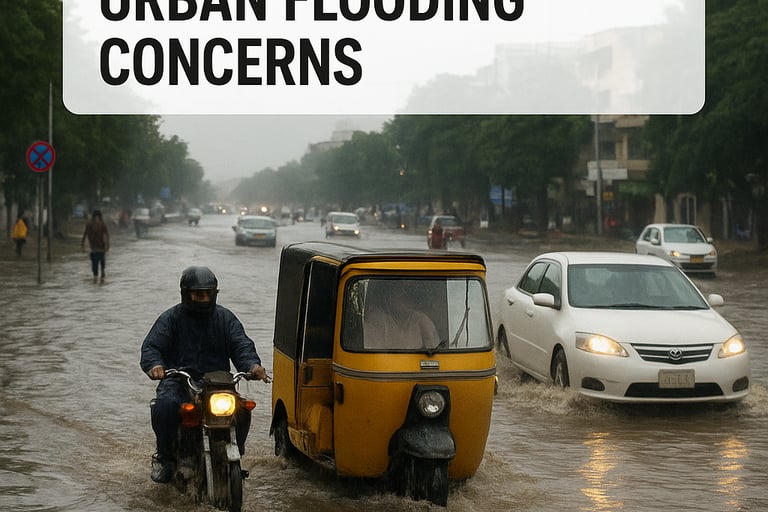
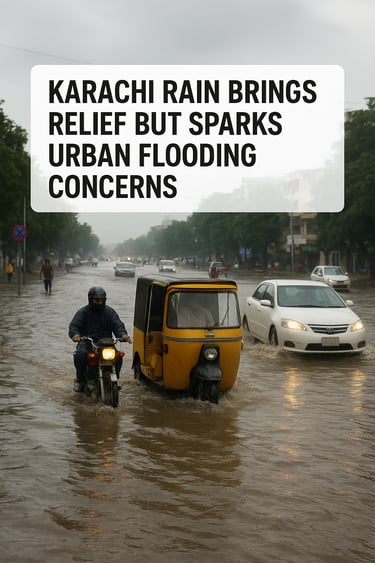
Karachi Rain Brings Relief but Sparks Urban Flooding Concerns
Karachi, Pakistan’s largest metropolis, received light to moderate rainfall on Sunday, offering relief from the recent hot weather but also raising concerns about urban flooding. Different areas of the city, including Gulshan-e-Iqbal, Saddar, North Karachi, and Malir, experienced showers that caused traffic disruptions and water accumulation on roads.
According to the Pakistan Meteorological Department (PMD), the current rain system may continue for the next two days. Officials have warned that heavy downpours could trigger flooding in low-lying areas, as the city’s drainage system remains under pressure.
Citizens Welcome Rain, Face Disruptions
For many Karachiites, the showers were a pleasant break from intense humidity. However, the city’s weak infrastructure quickly turned the situation problematic. Several major roads, including Shahrah-e-Faisal, were partially submerged, causing long traffic jams. Motorcyclists and pedestrians struggled to move through waterlogged streets, while frequent power cuts added to the frustration of residents.
“We enjoy the rain, but the fear of flooding is constant,” said a resident of Gulistan-e-Jauhar. “Every time it rains, our streets turn into ponds.”
Authorities Issue Flood Alerts
In response to PMD’s forecast, Karachi Metropolitan Corporation (KMC) teams have been deployed to clear drains and remove blockages. The Sindh government has also directed citizens to stay indoors during heavy rain, avoid unnecessary travel, and immediately report emergencies.
Disaster management authorities said that efforts are underway to minimize waterlogging, but decades of poor planning, encroachments on storm-water drains, and unchecked urban growth continue to make Karachi vulnerable to flooding.
Climate and Infrastructure Challenges
Experts have linked the changing weather patterns in Karachi to the broader effects of climate change. Unpredictable monsoon showers and sudden cloudbursts are becoming more common, putting extra stress on the city’s outdated drainage and sewerage systems.
The PMD has also cautioned fishermen against venturing into the sea due to rough conditions during the rain spell. Residents of low-lying neighborhoods have been advised to take precautionary measures and stay alert.
The Road Ahead
As more showers are expected, Karachi’s residents remain hopeful that city authorities will act swiftly to prevent serious flooding. While the rain brings much-needed relief from the summer heat, it also highlights Karachi’s long-standing urban management crisis.
For now, the city continues to juggle between the joy of rainfall and the constant threat of chaos it brings to daily life.
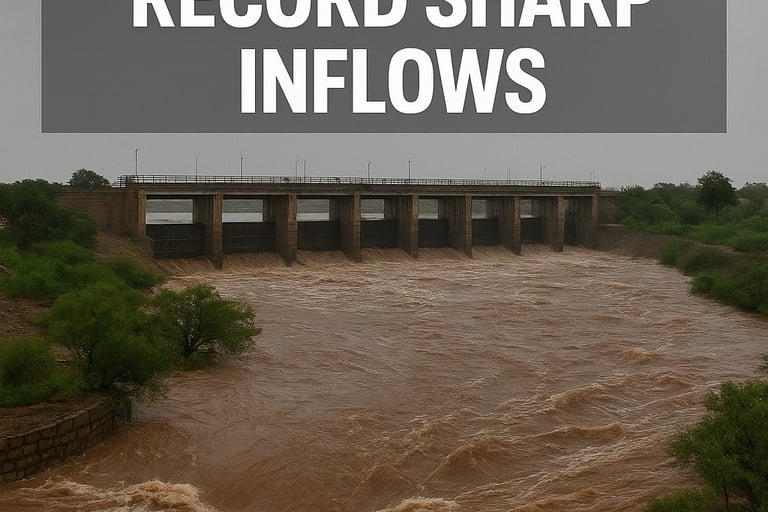
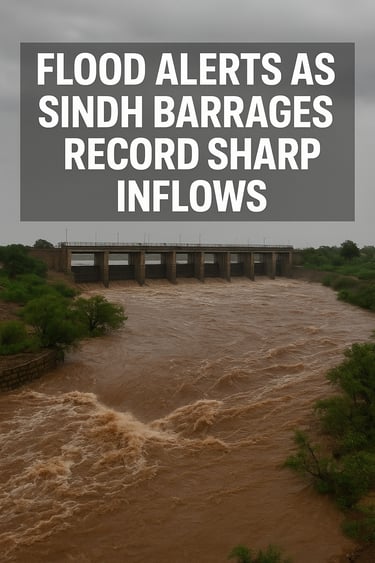
Flood Alerts as Sindh Barrages Record Sharp Inflows
Sindh is facing a tense situation as major barrages of the province are witnessing a sudden rise in water inflows, forcing authorities to issue flood alerts for low-lying areas. Officials have warned residents living near the Indus River and its adjoining katcha regions to immediately shift to safer ground.
Sudden Rise in River Flow
In the last two days, the Sukkur, Guddu, and Kotri barrages have recorded unusual pressure due to rising water levels from upstream. Experts link this surge to heavy rainfall in northern areas and catchment zones, which has rapidly increased the Indus River’s flow.
The irrigation department confirmed that water levels are moving closer to dangerous marks, and if inflows continue at the same pace, the province could face moderate to high flood conditions.
Precautionary Measures Underway
District administrations across Sindh have been placed on high alert. Rescue teams have been mobilized, relief camps are being established, and arrangements are being made for safe evacuation of families living in flood-prone belts. Protective embankments are also being reinforced to withstand pressure.
Authorities have urged citizens, particularly those in riverine areas, to avoid unnecessary risks and cooperate with rescue officials. Medical teams and emergency workers are on standby to handle any crisis.
Threat to Agriculture
The rising water levels are not only a danger to homes but also a serious threat to Sindh’s agriculture. Cotton, sugarcane, and rice crops—vital to the provincial economy—are at high risk of submerging under floodwaters. Farmers fear that if protective steps are delayed, their seasonal harvest may suffer heavy losses.
Memories of Past Floods
Sindh has experienced devastating floods in the past, especially in 2010, when millions were displaced and agricultural lands were destroyed. With inflows climbing again, many communities are worried about a repeat of those tragic circumstances.
Government Calls for Cooperation
The provincial government has assured the public that it is closely monitoring the situation. Officials have stressed that timely evacuation and people’s cooperation will play a key role in reducing losses. “We are prepared to face the challenge, but citizens must also act responsibly,” a government representative said.
Conclusion
The sharp inflows at Sindh’s barrages have triggered serious flood concerns, placing both communities and farmlands at risk. While the government is actively working on safety measures, the coming days will be crucial. The real test lies in how quickly authorities and citizens respond to
gether to this looming threat.


HPV Vaccination Drives: Safeguarding Young Girls from Cervical Cancer
Cervical cancer is one of the deadliest yet most preventable health threats faced by women across the globe. Every year, thousands of lives are lost to this disease, especially in developing countries where access to medical care is limited. The encouraging news is that this cancer can largely be prevented through a simple measure: the HPV vaccine. To achieve this, governments and health organizations are running extensive vaccination campaigns aimed at protecting young girls from the risk of cervical cancer.
The Importance of HPV Vaccination
Human Papillomavirus (HPV) is the leading cause of cervical cancer. It often spreads without any visible symptoms, which makes it difficult to detect until the disease has advanced. Medical research confirms that receiving the HPV vaccine at the right age can prevent nearly nine out of ten cervical cancer cases.
Experts recommend that girls between 9 and 14 years receive the vaccine before they are exposed to the virus. Vaccination at this stage offers the strongest and longest-lasting protection, creating a shield against one of the deadliest cancers women face later in life.
Widening Campaign Efforts
Countries around the world, with the support of the World Health Organization (WHO) and local health ministries, are making significant efforts to expand HPV vaccination. From organizing school-based drives to holding awareness sessions in communities, these initiatives are designed to reach as many families as possible. In many regions, the vaccine is being provided free of charge to ensure no child is left unprotected due to financial barriers.
In rural areas, health workers are visiting schools and neighborhoods to encourage parents to vaccinate their daughters. Meanwhile, social media campaigns, television programs, and radio broadcasts are helping spread reliable information, countering the myths that often create doubt in people’s minds.
Addressing Misconceptions
One of the main hurdles in HPV vaccination campaigns is public hesitation. Despite years of proven safety, some parents remain concerned about possible side effects. To tackle this, doctors and health experts are working hard to build trust by sharing real facts. The vaccine has been tested thoroughly and is considered safe worldwide.
Campaigns now focus not only on administering the vaccine but also on educating communities. Parents are reminded that HPV vaccination should be seen just like any other childhood immunization—a step every responsible parent takes to protect their child’s health and future.
A Step Towards Elimination
The larger vision is clear: to make cervical cancer a disease of the past. The World Health Organization has set the ambitious goal of eliminating cervical cancer as a public health problem by 2030. Reaching this target requires high vaccination coverage, widespread awareness, and continued screening for early detection.
Conclusion
HPV vaccination campaigns are not just health programs—they are a promise of protection for future generations. By ensuring that girls receive this vaccine on time, families, communities, and nations collectively take a step toward eradicating cervical cancer. With consistent efforts, what is today a life-threatening disease can tomorrow
become a preventable memory.
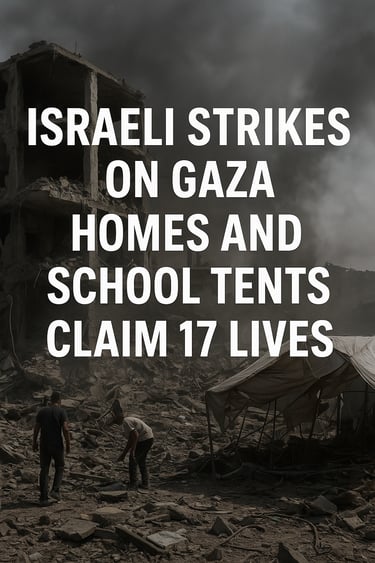
Israeli Strikes on Gaza Homes and School Tents Claim 17 Lives
At least 17 Palestinians lost their lives after Israeli forces launched airstrikes on residential areas and makeshift school tents in Gaza. The attacks, carried out in densely populated neighborhoods, have once again highlighted the immense suffering of civilians caught in the crossfire.
Families and Children Among Victims
Witnesses confirmed that homes sheltering displaced families were reduced to rubble within minutes. Among the dead were several women and children, with dozens more left injured. Rescue workers described scenes of chaos as they pulled survivors from the debris, while grieving families searched for missing loved ones.
The strikes also destroyed school tents set up for displaced children. These makeshift classrooms had been one of the few places offering a sense of normal life for young students, but they too turned into sites of devastation. Parents expressed anguish, saying their children had been targeted even while trying to learn in the midst of war.
Humanitarian Situation Worsens
This latest tragedy has deepened Gaza’s already dire humanitarian crisis. Thousands of residents remain displaced, surviving in overcrowded shelters without reliable access to clean water, food, or electricity. Health officials warn that hospitals are on the brink of collapse, lacking essential medicines and supplies needed to treat the rising number of injured civilians.
Doctors on the ground say they are forced to perform life-saving surgeries without adequate equipment. International aid agencies have repeatedly sounded alarms, warning that continued attacks make it nearly impossible to deliver urgent assistance to those most in need.
Global Outrage and Condemnation
The targeting of civilian homes and educational spaces has sparked outrage worldwide. Human rights groups called the strikes a violation of international law, stressing that schools and shelters must be protected at all costs. They argue that attacks on such sites strip civilians of even the most basic security and dignity.
Several world leaders and international organizations have condemned the strikes, urging both sides to de-escalate. However, calls for restraint have so far gone unanswered, as the cycle of violence shows no sign of easing.
Demand for Ceasefire Intensifies
With each passing day, the demand for a ceasefire grows stronger. Peace advocates warn that without an immediate halt to hostilities, the human toll will continue to rise, leaving long-lasting scars on an already traumatized population. Children, in particular, are paying the heaviest price — their homes, schools, and futures shattered by unending conflict.
Final Thoughts
The killing of 17 civilians in Gaza, following strikes on homes and school tents, is yet another painful reminder of the devastating cost of war. Innocent lives are being lost, families are being torn apart, and communities are being destroyed. Unless swift international action is taken to stop the violence and provide meaningful relief, the humanitarian crisis in Gaza will only deepen, leaving generations to suffer the consequences.
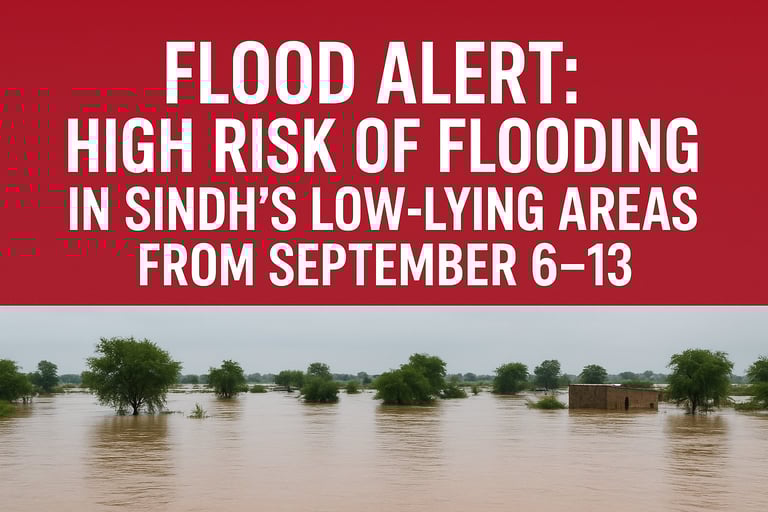
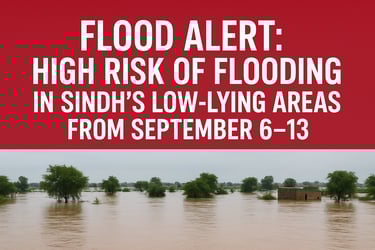
Flood Alert: Sindh’s Low-Lying Areas Face High Risk Between September 6–13
Authorities have sounded the alarm over a possible high flood in the Indus River that could affect Sindh’s low-lying areas from September 6 to 13. Communities living close to the riverbanks are being urged to relocate immediately to safer places, as the water level is expected to rise dangerously during this period.
Rising Water Levels Trigger Concern
Officials report that heavy rains in upstream regions have pushed more water into the Indus, sharply increasing the risk of flooding. The situation has become critical in several vulnerable districts, prompting emergency preparations by the provincial and district administrations.
Evacuation and Safety Measures
Residents have been instructed to follow safety guidelines without delay. District administrations have already begun setting up relief camps in safe zones where affected families can find temporary shelter. These camps are being equipped with food supplies, clean water, and medical facilities to support displaced people.
Authorities stress that ignoring evacuation warnings could prove extremely dangerous. Low-lying areas are prone to sudden surges in water levels, and those who stay behind may face serious risks to life and property.
Disaster Management on High Alert
The Provincial Disaster Management Authority (PDMA) is keeping a close watch on water flow and has directed all concerned departments to remain on standby. Rescue teams, law enforcement, and local volunteers are actively engaged to ensure a quick response in case of emergencies. Farmers and fishermen working near the river have been asked to suspend their activities until the threat passes.
Humanitarian Support and Coordination
Alongside government efforts, several welfare organizations are preparing to assist in evacuations and relief activities. Law enforcement agencies have also been deployed to maintain order during relocation and to provide security in the affected areas.
Officials say the government is coordinating closely between provincial and district administrations to minimize disruption and ensure timely assistance. Awareness campaigns are being carried out through community leaders and media platforms to keep residents informed and alert.
Call for Cooperation
The authorities emphasize that these precautions are temporary but vital. Once the flood risk decreases, arrangements will be made to help families return home safely. However, until then, residents are urged to act responsibly and cooperate with officials.
Conclusion
As Sindh prepares for the looming flood threat, the message is clear: quick relocation saves lives. By following official instructions and moving to safer locations now, communities can protect themselves from the devastating impact of floods and preserve their homes, families, and livelihoods.
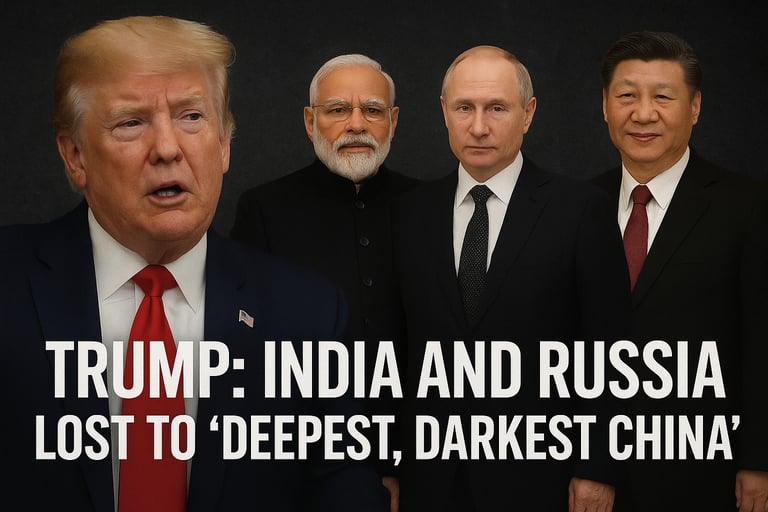
Trump’s “Lost to China” Remark on India and Russia Stirs Global Debate
Former U.S. President Donald Trump once again found himself at the center of headlines after making a striking statement about shifting global alliances. In a post on his Truth Social account, Trump declared that India and Russia now appear “lost to the deepest, darkest China”, adding a sharp note that the trio may “have a long and prosperous future together.”
The remark quickly spread across international media, not only because of its dramatic wording but also because it highlighted the fragile state of current global partnerships. Trump’s post was accompanied by a photo showing Indian Prime Minister Narendra Modi, Russian President Vladimir Putin, and Chinese President Xi Jinping standing side by side—a clear nod to the strengthening ties between these nati
Background: Trade Tensions with India
Trump’s comments came against the backdrop of his administration’s latest decision to impose heavy tariffs on Indian goods—some as high as 50 percent. The move was justified on grounds of New Delhi’s growing oil imports from Moscow, which Washington believes undermines global sanctions on Russia.
This tariff war has triggered speculation that India may further tilt toward Russia and China, particularly within the framework of organizations like the Shanghai Cooperation Organization (SCO), where all three countries share members
Trump’s Quick Clarification
Interestingly, Trump soon appeared to soften his tone. Speaking to reporters, he stressed that he did not truly believe the United States had “lost” India, though he admitted being “disappointed” by New Delhi’s energy dealings with Russia. He was careful, however, to reaffirm his personal friendship with Prime Minister Modi, describing him as a “great leader” and calling U.S.–India relations “very special.”
On the other side, India’s Ministry of External Affairs refrained from making any official comment, keeping its response measured. Prime Minister Modi, however, posted on social media expressing appreciation for Trump’s warm words and emphasizing the strength of the partnership between the two countrThe Bigger Picture
Trump’s statement and the subsequent clarification reveal the delicate balancing act in global diplomacy:
Geopolitical shift: China is increasingly seen as a hub where Russia and India find common ground, particularly as both countries face friction with the West.
Economic stakes: Tariffs and trade restrictions risk weakening the U.S. position with India, which is one of the fastest-growing markets in the world.
Diplomatic messaging: While Trump’s language was bold, his quick U-turn suggests Washington cannot afford to alienate New Delhi, a crucial partner in countering BeijingWhy It Matters
For global observers, this episode signals more than just political theater. It reflects a deeper reality—that the world is entering a multi-polar era, where alliances are no longer fixed and countries like India are carefully weighing their options between East and West.
Trump’s choice of words—“deepest, darkest China”—was deliberately provocative, but it also underlined America’s unease with Beijing’s expanding influence. Whether India truly shifts toward China and Russia, or continues its balancing act with Washington, will shape the next chapter of global power polit
ics.’s rise.ies.hip.ons.
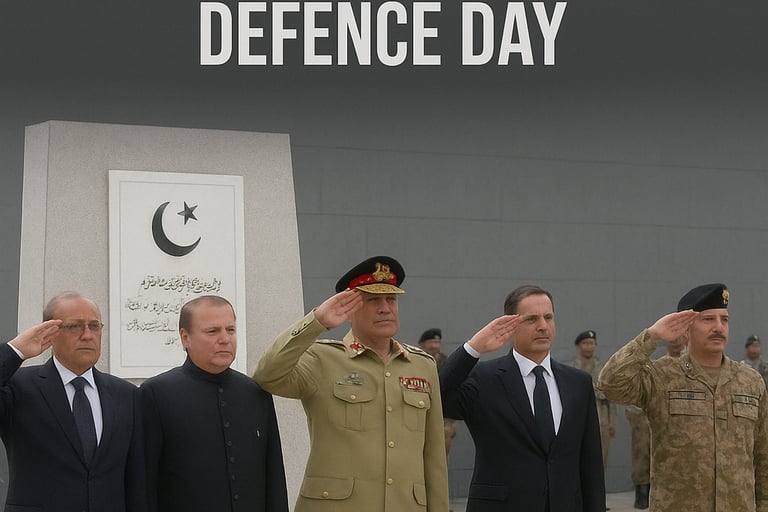
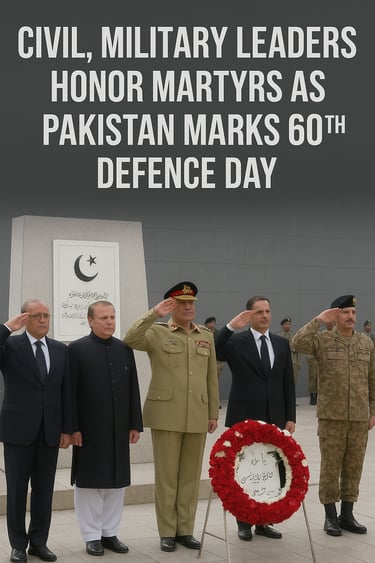
Civil, Military Leaders Honor Martyrs as Pakistan Marks 60th Defence Day
Pakistan observed the 60th Defence Day with deep respect and gratitude for the soldiers and martyrs who defended the nation with unmatched courage. On this occasion, the country’s civil and military leadership joined hands to pay rich tributes to those who sacrificed their lives for the protection of Pakistan’s sovereignty.
Every year on 6th September, the nation remembers the 1965 war when Pakistan’s armed forces and people stood united against external aggression. The day is a symbol of bravery, patriotism, and the unshakable bond between the people and their defenders. This year’s anniversary once again reminded Pakistanis of the importance of unity in safeguarding national interests.
President, Prime Minister, and top commanders of the armed forces released special messages highlighting the role of martyrs and veterans. They acknowledged that the sacrifices of soldiers are the real strength of Pakistan, ensuring peace and stability even in the toughest times. Civil leaders emphasized that the future of the country rests on the same spirit of unity and resilience shown during 1965.
Across the country, ceremonies were held at war memorials and garrisons. At the mausoleum of heroes, senior officials and family members of martyrs laid floral wreaths and offered prayers. The national flag was hoisted on government buildings, while schools and colleges organized events to honor the sacrifices of the armed forces.
The Chief of Army Staff in his Defence Day address reaffirmed that Pakistan’s army stands vigilant and fully prepared to defend every inch of the homeland. He said the spirit of 1965 continues to inspire today’s soldiers, who are committed to tackling modern-day challenges including terrorism, extremism, and external threats. He assured the families of martyrs that their loved ones’ sacrifices will always be remembered with pride.
Families of fallen soldiers were specially honored during the commemorations. Their courage and patience were described as a source of strength for the entire nation. Stories of heroes from the 1965 war—whether from the deserts, plains, or mountains—were recalled with respect, rekindling patriotic emotions among citizens.
The media played an active role in marking the day. Television channels aired documentaries, special reports, and national songs that highlighted the sacrifices of the armed forces. Social media also turned into a platform of tributes, with hashtags, videos, and images reflecting the nation’s gratitude to its defenders.
The 60th Defence Day was not just a remembrance of past sacrifices, but also a reminder for the present and future. It renewed
the pledge that


Weekly Rundown: First Broad-Spectrum Antiviral Brings New Hope Against Deadly Viruses
A major scientific breakthrough is making headlines worldwide as researchers reveal the development of the first broad-spectrum antiviral drug. Unlike traditional medicines that are designed to fight only one virus at a time, this new antiviral shows the ability to combat several dangerous diseases, raising hopes of a stronger defense against future pandemics.
A Shift in Antiviral Treatment
For years, medical experts have struggled with a major challenge: most antiviral drugs are virus-specific. Treatments that work for HIV, hepatitis, or influenza cannot be used against Ebola, Zika, or coronaviruses. This limitation has often left healthcare systems unprepared when new viral threats appear.
The newly discovered antiviral takes a completely different approach. Instead of focusing on one virus, it targets the common processes viruses use to invade and multiply inside human cells. This broader action makes it capable of working against multiple deadly pathogens.
Why This Discovery Matters
The past few years have shown how quickly viruses can spread and disrupt lives. The COVID-19 pandemic proved the urgent need for medicines that are fast, flexible, and effective against a wide range of infections. Vaccines remain essential, but they take time to develop and may not be equally effective against all variants.
A universal antiviral could fill that gap. Experts say it could provide a ready-to-use line of defense during outbreaks, reducing panic, saving lives, and giving health authorities more time to respond. Unlike experimental treatments rushed during emergencies, this drug could be stocked in advance and deployed whenever a new outbreak strikes.
Promising Early Results
Initial laboratory tests have been encouraging. The drug successfully blocked viral replication in different strains known for their high mortality rates. Scientists also note that its unique method of action—interfering with the way viruses exploit human cells—makes it less likely for resistance to develop.
Another important aspect is its potential oral form. Pills are far easier to distribute globally than injections, especially in regions with weak healthcare infrastructure. Since many of the targeted viruses affect developing countries, an easy-to-administer medicine could save thousands of lives.
The Road Ahead
The next stage is critical: large-scale human trials. Researchers must confirm not only the drug’s effectiveness but also its safety across different populations. Pharmaceutical companies, governments, and global health organizations are being urged to speed up development without compromising medical standards.
If successful, the antiviral could become one of the most important medical tools of this century. From tackling seasonal outbreaks to fighting unexpected epidemics, it has the potential to change how the world manages viral threats.
Final Thoughts
The unveiling of the first broad-spectrum antiviral drug is more than just medical progress—it’s a glimpse into a safer future. With the constant risk of new viruses emerging, having a treatment that works across multiple infections could save millions of lives.
As trials continue, the world waits with hope. If this innovation delivers on its promise, it could transform global health security and mark the beginning of a new era in medicine.
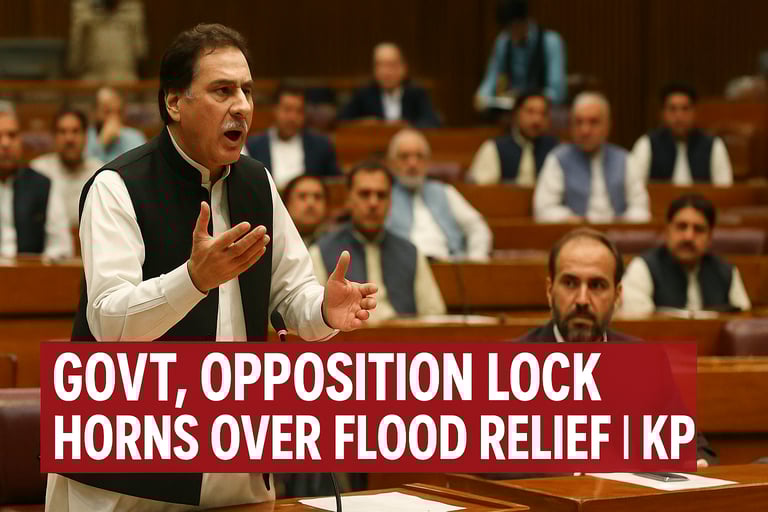
Govt, Opposition Lock Horns in National Assembly Over Flood Relief in KP
The National Assembly session on Friday saw fiery exchanges between the federal government and the opposition as both sides clashed over the scale and management of flood relief operations in Khyber Pakhtunkhwa (KP). Accusing the government of neglect, PTI lawmakers staged a walkout, claiming that the victims of the devastating floods were not receiving the assistance they urgently needed.
PTI’s Grievances Against NDMA
PTI Chairman Barrister Gohar Ali Khan strongly criticized the National Disaster Management Authority (NDMA) for failing to meet the expectations of flood-hit communities. He argued that the authority’s response was inadequate given the extent of destruction.
“NDMA has not provided the level of help required in this crisis,” Gohar declared on the assembly floor. He pointed out that 236 people lost their lives, 120 sustained injuries, and nearly 1,470 shops along with 875 houses were destroyed by the floods. Despite this devastation, he said, NDMA delivered only limited supplies to Buner district, leaving many victims without proper aid.
Gohar went on to say that his party would continue to challenge NDMA’s handling of the disaster until fair and timely assistance reached all affected families.
Govt’s Counterargument
His speech was interrupted by Federal Minister for Law and Human Rights Azam Nazeer Tarar, who dismissed the opposition’s claims as political theatrics. According to Tarar, PTI was exploiting the tragedy for political mileage instead of focusing on constructive solutions.
“This is not the time for point-scoring,” Tarar stressed. “The priority should be the people who are suffering.”
To ease tensions, Speaker Ayaz Sadiq stepped in and proposed arranging a visit for opposition members to NDMA’s headquarters so they could directly review the authority’s work.
Walkout and Political Fallout
Despite the Speaker’s offer, PTI lawmakers walked out of the session in protest, accusing the government of ignoring the plight of KP’s residents. The move reflected not only the opposition’s dissatisfaction but also the deepening divide between the provincial and federal leadership.
Flood Victims Still Waiting
Beyond the heated arguments, thousands of families in KP remain stranded and vulnerable. With homes, shops, and infrastructure washed away, locals continue to wait for comprehensive relief and reconstruction support. Critics argue that the political deadlock risks delaying essential aid at a time when unity and coordination are urgently required.
Final Word
The clash in the National Assembly revealed once again how political rivalries can overshadow humanitarian needs. As PTI blames NDMA for inefficiency and the government accuses the opposition of opportunism, the real sufferers are the flood victims who remain desperate for relief. Unless federal and provincial leaders work together, the recovery process may be further slowed, leaving countless families struggling to rebuild their lives
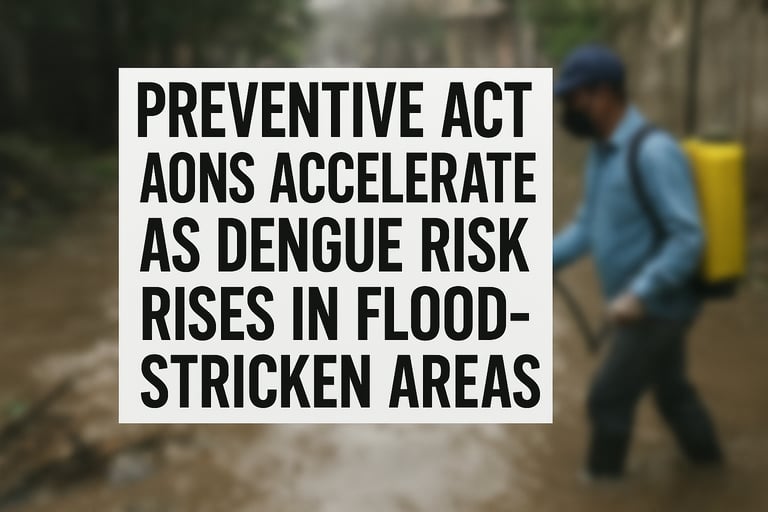
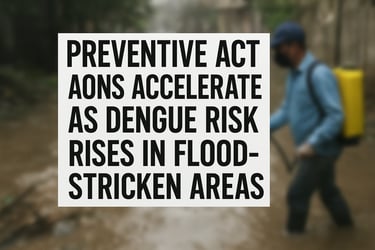
Preventive Actions Accelerate as Dengue Risk Rises in Flood-Stricken Areas
As flood-hit regions across Pakistan continue to battle stagnant water and sanitation challenges, health authorities are stepping up efforts to curb the growing threat of dengue fever. Experts warn that the post-flood environment provides ideal conditions for mosquito breeding, making preventive action critical to avoid a potential health crisis.
Health Teams Working on the Ground
The Punjab Health Department has launched a comprehensive anti-dengue drive, deploying sanitary inspectors and CDC supervisors in vulnerable areas. These teams are conducting door-to-door inspections, spraying insecticides, and monitoring public spaces to disrupt mosquito breeding. Streets, homes, markets, and schools are being fumigated regularly to reduce the risk of an outbreak.
A department spokesperson highlighted that health officials are not limiting their work to fumigation alone. They are actively educating residents about dengue prevention and encouraging households to adopt measures that limit mosquito growth. “Our teams are conducting both surveillance and awareness activities to safeguard the public,” the spokesperson explained.
Public Awareness Takes Center Stage
Alongside field operations, community education has become a top priority. Awareness campaigns are running across flood-affected districts to ensure citizens understand the importance of preventive care. People are being urged to cover water storage containers, clear drains, and avoid leaving even small amounts of standing water around their homes.
Health workers are also distributing leaflets and using local gatherings to spread information on recognizing dengue symptoms early. Residents are advised to watch for warning signs such as persistent fever, severe headaches, joint pain, or skin rashes, and to seek medical attention without delay.
Hospitals on Alert
Recognizing the risk of a potential surge in cases, hospitals and clinics have been instructed to stay fully prepared. Dedicated dengue wards are being established, with additional beds, diagnostic kits, and medical supplies kept on standby. Doctors and paramedics are receiving updated training to handle patients swiftly and effectively if an outbreak occurs.
This proactive strategy is aimed at preventing hospitals from being overwhelmed and ensuring that timely treatment can be provided.
A Shared Responsibility
Officials stress that dengue prevention cannot be managed by the government alone. Active participation from the community is equally vital. Civic bodies, NGOs, and local administrations are working in coordination with the health department to ensure a united response.
“Dengue control requires collective action,” health experts noted. “If residents remain vigilant and cooperate with authorities, the spread of the virus can be contained.”
Moving Forward
As flood-affected communities continue the long road to recovery, tackling health risks like dengue remains a pressing challenge. Authorities believe that with consistent preventive action, awareness, and cooperation between the public and government, the threat of a widespread outbreak can be significantly reduced.
The coming weeks will be crucial, as health officials balance immediate preventive measures with long-term strategies to protect citizens from vector-borne diseases in vulnerable regions.


Everyday Nasal Spray Could Help Lower COVID-19 Risk, Study Suggests
A common nasal spray, usually taken for allergy relief, might also help reduce the chances of catching COVID-19. New research indicates that azelastine nasal spray, available over the counter in many places, could act as a protective measure against respiratory infections.
From Allergies to COVID Protection
Azelastine has long been prescribed for hay fever, seasonal allergies, and chronic nasal issues. It helps ease symptoms like sneezing, runny nose, and congestion. But scientists are now uncovering another potential benefit—protection against viruses such as COVID-19.
What Researchers Discovered
The trial, carried out by Saarland University Hospital in Germany, involved 450 volunteers. Half of them received azelastine, while the others were given a placebo spray.
The findings were striking:
Only 2.2% of people using azelastine later tested positive for COVID-19.
In comparison, 6.7% of the placebo group became infected.
Not only did fewer people on azelastine catch the virus, but those who did also tested positive much later—on average after 31 days, compared to just 19 days for the placebo group.
The spray also lowered the number of participants who developed symptoms: 21 on azelastine versus 49 on placebo. Interestingly, it even cut down on other common respiratory infections like rhinoviruses, showing 1.8% cases compared to 6.3% in the placebo group.
Equally important, there were no major side effects. Both groups reported similar levels of tolerance, suggesting the spray is safe to use.
Why This Matters
This study points to azelastine as a low-cost, safe, and widely available tool in reducing COVID-19 risk. Since the spray is already approved for allergy treatment, it could quickly become an additional protective option.
Still, experts emphasize caution. Larger studies across multiple centers are necessary before health authorities can recommend it for COVID-19 prevention.
Dr. Bruce Hirsch, an infectious disease specialist in New York, commented: “It’s a small but meaningful result. However, it doesn’t replace other protective measures we need to follow to keep ourselves safe.”
A Complicated Time for COVID Vaccines
The findings arrive as vaccine guidance in the United States becomes more uncertain. For years, the CDC advised annual COVID-19 shots for everyone over six months old. But this year, things have shifted.
Health Secretary Robert F. Kennedy Jr. dismissed the entire vaccine advisory panel, and replacements have yet to issue new recommendations. At the same time, the FDA approved updated vaccines from Pfizer, Moderna, and Novavax—but questions remain over insurance coverage and whether pharmacies will offer them.
Final Thoughts
The idea that a simple nasal spray could reduce the risk of COVID-19 is both surprising and encouraging. While vaccines and safety measures remain essential, this research opens the door to exploring everyday medicines as extra layers of defense. If future studies confirm these results, azelastine might become an easy, accessible option in the fight against COVID-19.


The Overlooked Connection Between Diabetes and Knee Pain
When people think of diabetes complications, the first things that usually come to mind are nerve problems, foot issues, or vision loss. What often goes unnoticed is that diabetes can also be linked to joint pain — especially in the knees. For many patients, ongoing knee discomfort can make it difficult to walk, exercise, or even perform simple daily tasks. Looking deeper into this hidden connection can help both patients and healthcare providers manage diabetes more effectively.
Why Diabetes Can Affect the Knees
Scott Isaacs, MD, president of the American Association of Clinical Endocrinology and adjunct assistant professor at Emory University, highlights that knee pain is often overlooked in diabetic care. “Most people focus on nerve pain or numbness in the feet, but diabetes can also harm the joints, including the knees,” he explains.
While being overweight plays a significant role — since excess body weight adds extra stress to weight-bearing joints like the knees — diabetes itself is a contributing factor. It’s not just about carrying extra pounds; high blood sugar levels and inflammation caused by diabetes can directly damage joint tissues.
The Role of Chronic Inflammation
Diabetes and obesity often create an inflammatory environment in the body. When inflammation persists, it doesn’t just affect blood vessels and nerves; it also attacks the tissues around the joints. This can result in swelling, stiffness, and pain in the knees, symptoms that are often mistaken for osteoarthritis.
Dr. Isaacs points out that the pain caused by inflammation feels different from neuropathy. “Inflammation from uncontrolled glucose affects the joints in an arthritis-like way, while neuropathy causes tingling, numbness, or sharp pain. Unfortunately, many people with diabetes experience both, which makes their pain even harder to manage.”
Neuropathy Adds to the Problem
Neuropathy occurs when high blood sugar damages small blood vessels that feed the nerves. In the knees, this can mean a combination of joint inflammation and nerve pain. Patients may feel weak, unstable, or unable to move comfortably. When these two conditions overlap, quality of life can decline rapidly if not properly addressed.
How Patients Can Protect Their Knees
The good news is that knee pain related to diabetes can often be managed with the right approach. Some strategies include:
Blood Sugar Control: Keeping glucose levels stable helps reduce inflammation and joint damage.
Healthy Weight: Losing even a small amount of weight can significantly relieve pressure on the knees.
Low-Impact Exercise: Activities like swimming, cycling, or walking improve joint strength without overloading the knees.
Therapy and Pain Relief: Physical therapy, anti-inflammatory treatments, and gentle stretching can ease discomfort.
Final Thoughts
Knee pain in diabetic patients is more than just an age-related problem — it can be directly tied to the disease itself. By acknowledging this overlooked complication, doctors and patients can work together to reduce pain, improve movement, and enhance overall well-being. Diabetes management should go beyond blood sugar numbers — it should also protect the body’s joints, mobility, and quality of life.
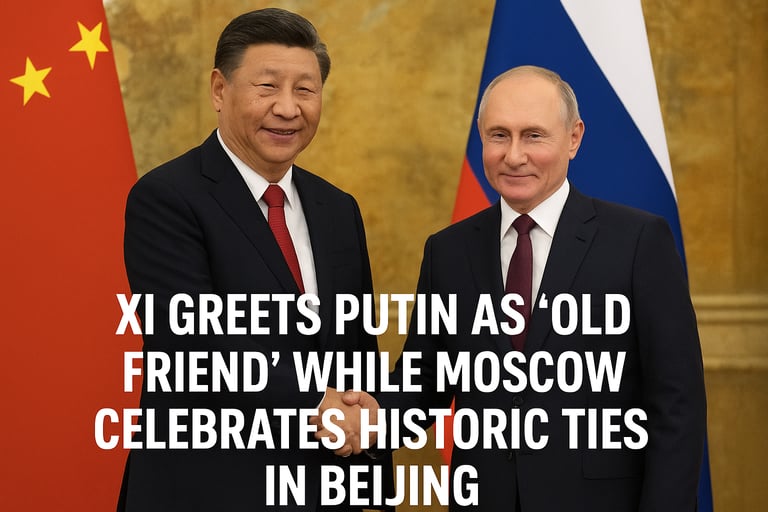
Xi Greets Putin as ‘Old Friend’ While Moscow Celebrates Historic Ties in Beijing
Chinese President Xi Jinping rolled out a warm welcome for Russian President Vladimir Putin in Beijing on Tuesday, addressing him as an “old friend.” Putin, in return, praised the relationship between Moscow and Beijing as being at a historic high point, describing the partnership as stronger than ever.
The two leaders met inside the Great Hall of the People, where they held detailed discussions on strengthening cooperation across multiple sectors. After the official meeting, they planned to continue their talks in a more relaxed setting over tea, joined by senior officials, underlining the personal trust they share.
Meeting After SCO Summit
This high-profile meeting followed the Shanghai Cooperation Organisation (SCO) summit held in Tianjin a day earlier. Both Xi and Putin emphasized the importance of the SCO, presenting it as an alternative platform to Western-led organizations like NATO and the European Union.
During the summit, Putin stressed the need for a new global framework that could replace what he called the “outdated Euro-Atlantic order.” By doing so, both Moscow and Beijing are signaling their determination to shape the future of international politics and push back against Western dominance.
Expanding Agreements Between Moscow and Beijing
Putin’s visit is expected to result in the signing of around 20 new agreements that will broaden cooperation between the two nations. These deals are likely to cover key sectors such as energy, trade, technology, and defense, further solidifying the strategic partnership.
According to reports from Beijing, the chemistry between Xi and Putin appeared natural and strong, despite ongoing criticism from the United States and European governments. Observers noted that their friendship has remained unaffected by Western disapproval, highlighting the resilience of the alliance.
Deeper Ties Since the Ukraine Conflict
The relationship between China and Russia has accelerated since the start of the Ukraine war in 2022. With Russia facing heavy sanctions and political isolation from the West, Moscow has turned to Beijing for both economic partnerships and diplomatic backing.
For China, closer ties with Russia provide a counterweight to Washington’s influence, while also ensuring steady access to Russian energy supplies. For Russia, China serves as a vital economic partner and geopolitical ally, one that shares its vision of a world where power is not concentrated in the hands of Western nations.
A Strategic Message to the West
The optics of this visit are hard to miss. Xi and Putin’s public display of warmth—calling each other “old friend” and “dear friend”—is more than ceremonial. It sends a powerful message to the international community that Beijing and Moscow are united in their stance against Western pressure.
As both leaders move toward deeper cooperation through new agreements, their alliance marks a turning point in global power dynamics. With China and Russia presenting a united front, the message is clear: they aim to reshape the world order on their own terms.


Online Earnings and Easy Withdrawal Methods
In today’s digital era, online earning has become one of the most popular ways for people to build a steady income stream without being restricted by traditional jobs. From freelancing to e-commerce, and from blogging to affiliate marketing, there are countless opportunities that allow individuals to earn money right from their homes. However, a common concern for many beginners is not just how to earn online but also how to withdraw their hard-earned money safely and conveniently.
Popular Ways to Earn Online
1. Freelancing
Freelancing is one of the most reliable ways to earn online. Platforms like Fiverr, Upwork, and Freelancer connect skilled professionals with global clients. Whether you are a writer, graphic designer, programmer, or digital marketer, freelancing offers flexible work and competitive pay.
2. Content Creation
YouTube, blogging, and social media influencing are booming industries. By creating valuable content, you can attract audiences, gain followers, and monetize your platforms through ads, sponsorships, and affiliate links.
3. Affiliate Marketing
Recommending products and earning commissions through affiliate programs is another effective income source. Amazon Associates, ClickBank, and local affiliate networks make it easier to earn a percentage on every sale.
4. E-commerce and Online Selling
Selling products through platforms like Shopify, Daraz, or Etsy can also generate good revenue. Many entrepreneurs are now building digital stores to target both local and international customers.
Withdrawing Your Online Earnings
Once you start earning, the next step is transferring your money into your local bank account. Luckily, several secure options exist:
PayPal
One of the most widely used payment processors worldwide. It allows freelancers and businesses to receive international payments quickly. However, availability may vary in some countries.
Payoneer
A popular choice for freelancers and online sellers. Payoneer offers a MasterCard and the option to withdraw money directly to your local bank account.
Wise (TransferWise)
Known for low transaction fees and transparent exchange rates, Wise is trusted by many professionals for receiving international payments.
Direct Bank Transfers
Some freelancing platforms like Upwork and Fiverr allow direct withdrawal to local banks, making the process faster and hassle-free.
Tips for Safe Withdrawals
Always use trusted platforms for receiving payments.
Avoid sharing sensitive banking information on unsecured websites.
Compare withdrawal fees before choosing a payment method.
Keep a record of your transactions for financial management.
Final Thoughts
Earning online is not just a dream anymore—it’s a reality for millions of people around the world. With dedication, skills, and the right strategy, anyone can build a sustainable online income. Just as important as earning is knowing how to withdraw your money securely. By choosing reliable methods like Payoneer, PayPal, or direct bank transfers, y
ou can enjoy your online earnings with peace of mind.
Bitcoin – Digital Currency Ki Duniya Ka Badshah
Aaj ke digital daur mein Bitcoin ka naam kaun nahi jaanta? Yeh sirf ek currency nahi, balki ek aisi financial revolution hai jisne puri duniya ke sochne ka tareeqa badal diya hai. Traditional banking aur paper money ke zamanay ko challenge karte hue Bitcoin ne apni pehchaan banayi aur logon ke liye ek naya raasta khola.
Bitcoin Kya Hai?
Bitcoin ek decentralized digital currency hai jo kisi sarkar, bank ya authority ke control mein nahi hoti. Iska system Blockchain Technology par chal raha hai jo tamam transactions ko safe aur transparent banata hai. Har transaction ek block mein record hoti hai aur ye blocks ek chain ka hissa bante hain – isi liye ise blockchain kaha jata hai.
Yeh ek tarah ka digital gold hai jise duniya bhar ke investors aur traders apna rahe hain.
Bitcoin Ki Shuruaat
Bitcoin ko 2009 mein ek unknown shakhs ya group ne "Satoshi Nakamoto" ke naam se introduce kiya. Us waqt iska value kuch cents tha, lekin aaj Bitcoin ki qeemat hazaron dollars tak pohanch chuki hai. Yeh safar is baat ka saboot hai ke Bitcoin sirf ek experiment nahi, balki future ka paisa hai.
Bitcoin Kyu Itna Popular Hai?
1. Freedom & Control – Apne paisay par poora control, beghair bank ke.
2. Limited Supply – Sirf 21 million Bitcoins mining ke liye available hain. Jitna limited supply hoga, utna hi demand aur price barhata hai.
3. High Returns – Pichle das saalon mein Bitcoin ne sabse zyada growth dikhayi aur investors ko laakhon ka faida diya.
4. Global Acceptance – Ab bohot si companies aur countries Bitcoin ko payment ke liye accept kar rahi hain.
Bitcoin Mein Investment – Mauqa Ya Risk?
Bitcoin ek golden opportunity hai, lekin saath hi risky bhi. Iski prices bahut tez upar neeche hoti hain. Jo log smart strategy ke sath invest karte hain, unke liye yeh ek long-term wealth building tool sabit ho sakta hai.
Agar aap invest karna chahte hain to:
Sirf utna paisa lagayen jitna loss afford kar sakte ho.
Short-term fluctuation se ghabrayein nahi.
Apni investment ko diversify karein.
Bitcoin Aur Future
Experts ka maanna hai ke aane wale daur mein Bitcoin ek mainstream payment system ban sakta hai. Countries apne banking system mein blockchain adopt kar rahi hain aur businesses bhi crypto ko embrace karte ja rahe hain.
Jis tarah internet ne duniya ko badla, usi tarah Bitcoin aur blockchain bhi financial systems ko naya shape dene ja rahe hain.
---
Final Thoughts
Bitcoin sirf ek coin nahi, balki ek global digital revolution hai. Agar aap future finance ka hissa banna chahte ho to Bitcoin ki samajh lena aur smart investment karna aapko aage le ja sakta hai.
Remember: Risk ke bina reward nahi – aur Bitcoin iss daur ki sabse badi digital daulat hai. 🚀
Gallery
Explore the latest news and entertainment visuals.


